Why Indian Skin Is Constantly Stressed?
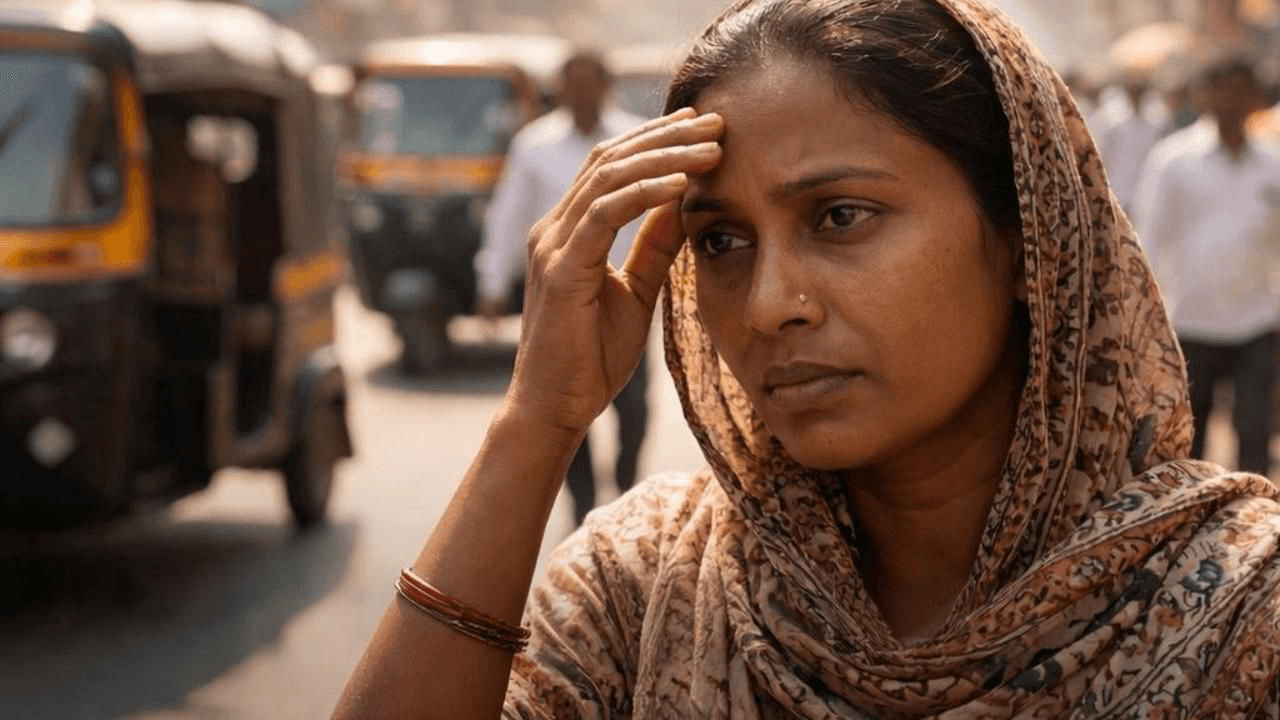
A climate reality check for 2025
India’s skin story is different.
It does not live in temperate European weather. It does not experience mild summers and gentle UV cycles. Indian skin exists in a high-heat, high-humidity, high-pollution, high-UV environment almost all year round.
And in 2025, that environmental stress has intensified.
This is not a cosmetic issue. It is biological.
1. Record Heat Waves Are No Longer Rare
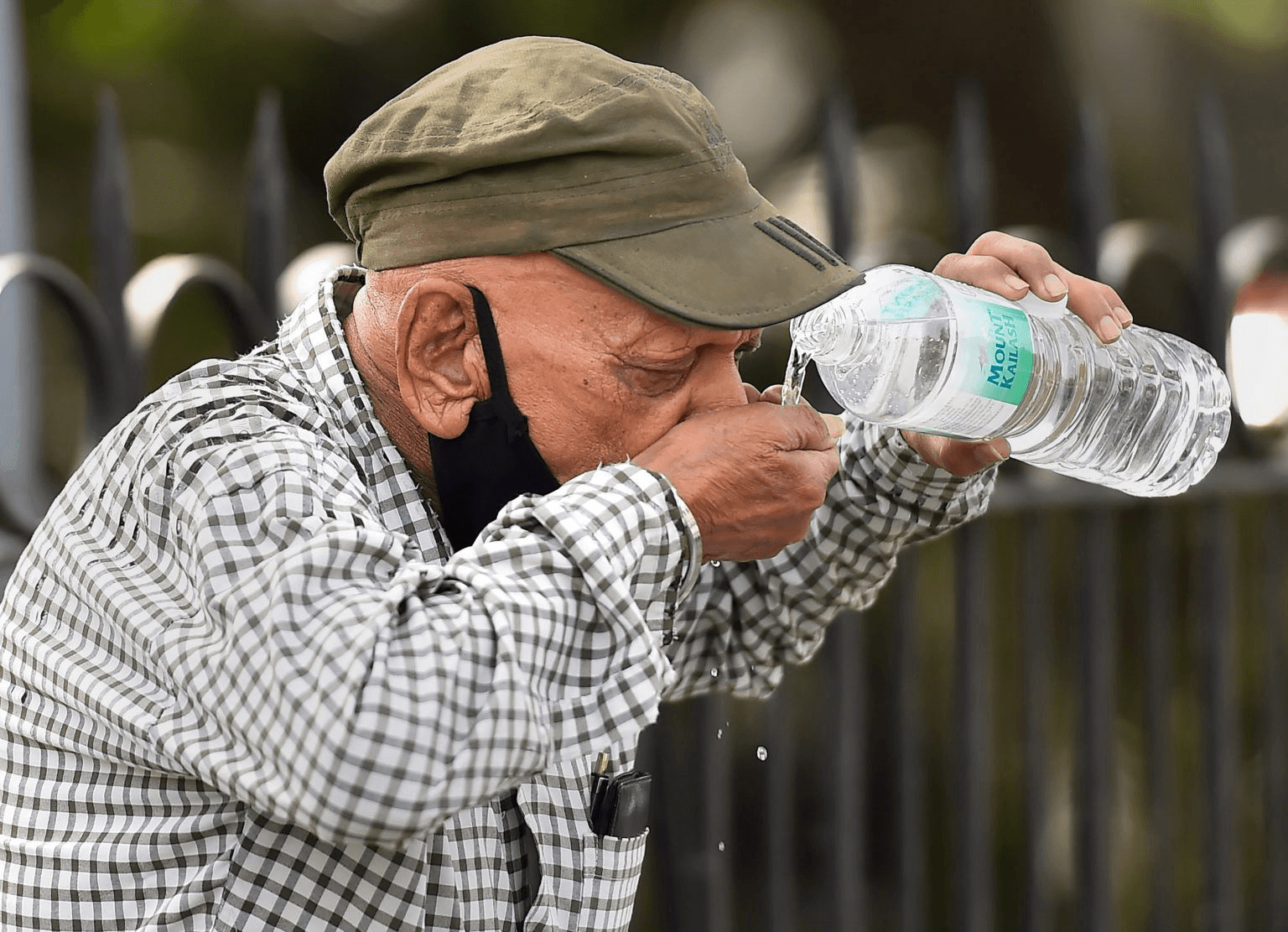
India experienced one of its most severe heatwave periods in 2024. Temperatures crossed 50°C in parts of Rajasthan, with prolonged extreme heat across northern and central states. Thousands of heatstroke cases were officially recorded during peak months (Wikipedia, 2025a).
Climate analyses indicate that by 2030, major cities such as Delhi, Mumbai, Hyderabad, and Chennai may experience nearly twice as many heatwave days as in previous decades (IPE Global, 2025).
Why does this matter for skin?
Prolonged heat exposure:
• Increases transepidermal water loss
• Weakens the skin barrier
• Elevates inflammatory response
• Degrades collagen faster
• Triggers excess sebum production
Skin remains in survival mode rather than repair mode.
When nights remain warm, the body does not fully recover. That recovery deficit accumulates over time.
2. Pollution Levels Remain Among the Highest Globally
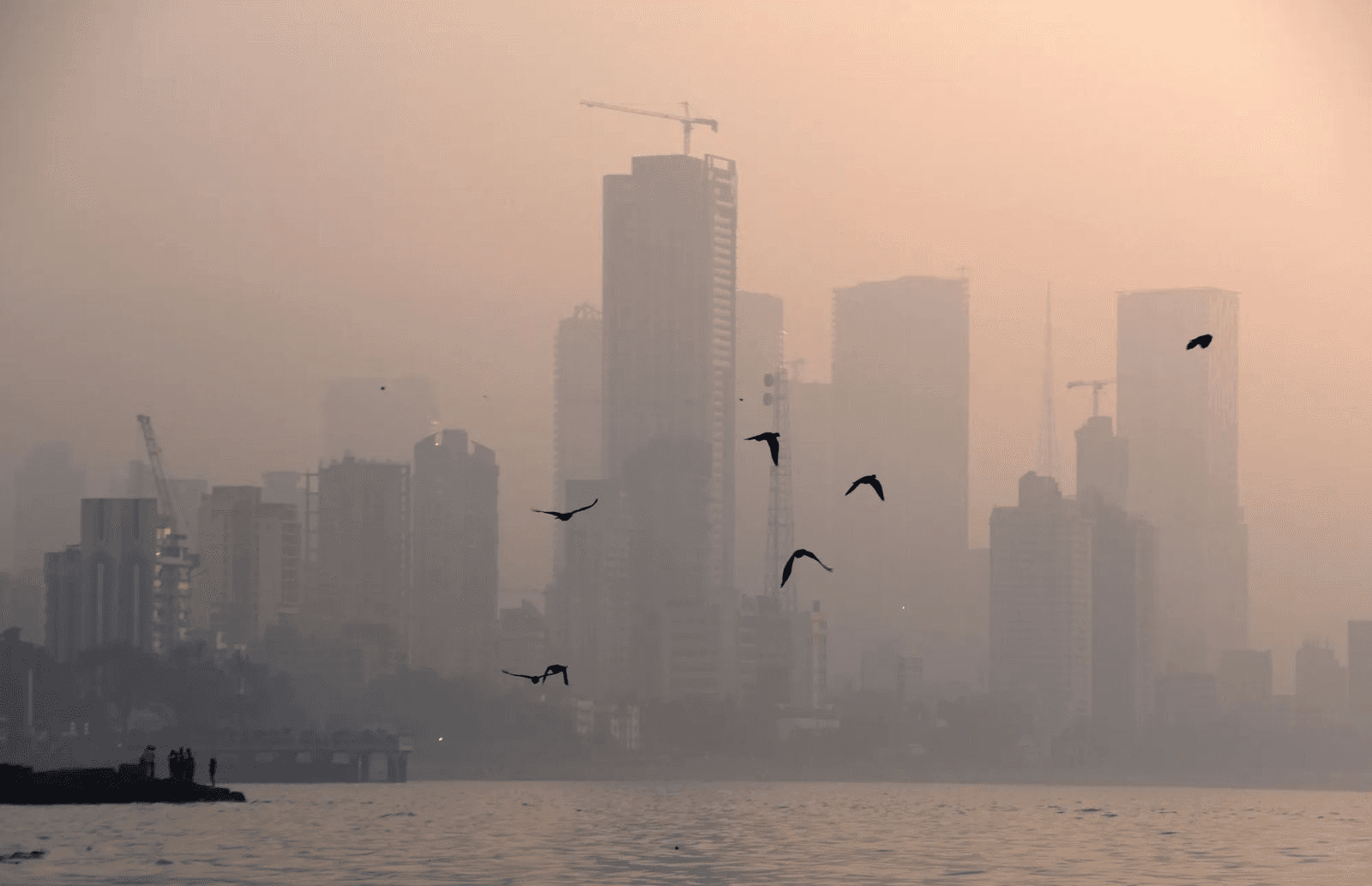
Air pollution remains one of India’s largest environmental stressors.
According to IQAir’s 2024 World Air Quality Report, India’s average PM2.5 concentration remains multiple times above the WHO-recommended guideline (IQAir, 2025). Several Indian cities continue to rank among the most polluted globally.
WHO data confirms that India’s annual mean particulate matter exposure significantly exceeds safe thresholds in many urban and semi-urban regions (WHO, 2025).
From a dermatological standpoint, pollution does not stop at respiratory harm.
Scientific reviews show that airborne particulate matter:
• Penetrates pores
• Generates reactive oxygen species
• Increases oxidative stress
• Accelerates pigmentation
• Contributes to premature ageing
• Exacerbates inflammatory dermatoses
There is also evidence linking chronic exposure to environmental pollutants with increased skin cancer risk due to long-term cellular damage (Vierkötter and Krutmann, 2020).
Pollution is invisible. Its impact on skin is cumulative.
3. UV Radiation Is Intense and Year-Round
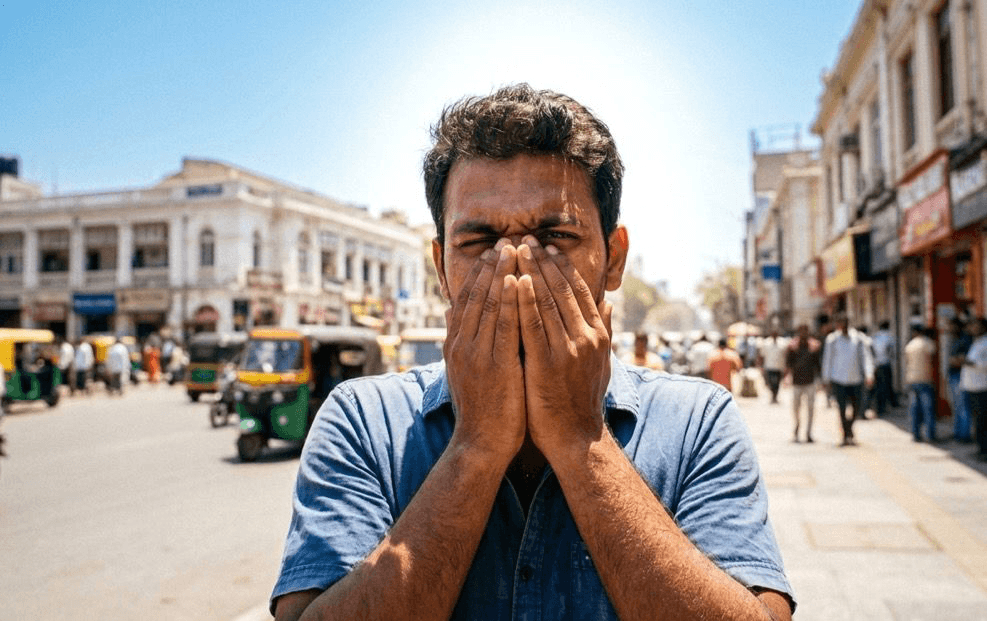
India’s geographical position means high solar exposure across most of the year.
Unlike temperate climates, where UV intensity fluctuates seasonally, large parts of India experience strong UV index levels even outside peak summer months.
Chronic UV exposure:
• Causes DNA damage
• Increases melanin production
• Breaks down collagen
• Deepens hyperpigmentation
• Weakens the skin barrier
When UV damage combines with pollution-induced oxidative stress, the result is amplified cellular injury.
This dual exposure is one of the reasons pigmentation concerns are so common across Indian skin tones.
4. Humidity, Sweat and Dust Form a Persistent Stress Loop
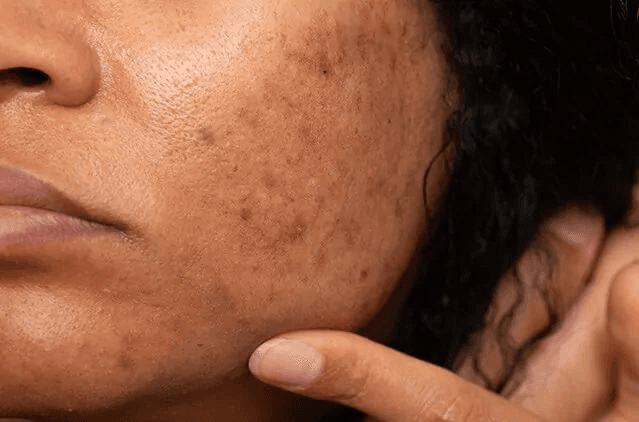
India’s environmental diversity adds further strain.
High humidity in coastal and monsoon regions prevents sweat from evaporating efficiently. Sweat remains on the surface, altering pH and increasing microbial growth.
Dust exposure in construction zones, agricultural regions and dry belts adds abrasive stress to the skin barrier.
Together, these factors lead to:
• Clogged pores
• Sweat-induced acne
• Heat rash
• Fungal susceptibility
• Increased irritation
Over time, chronic micro-inflammation becomes normalised.
5. 2025 Climate Reports Indicate Escalating Extremes
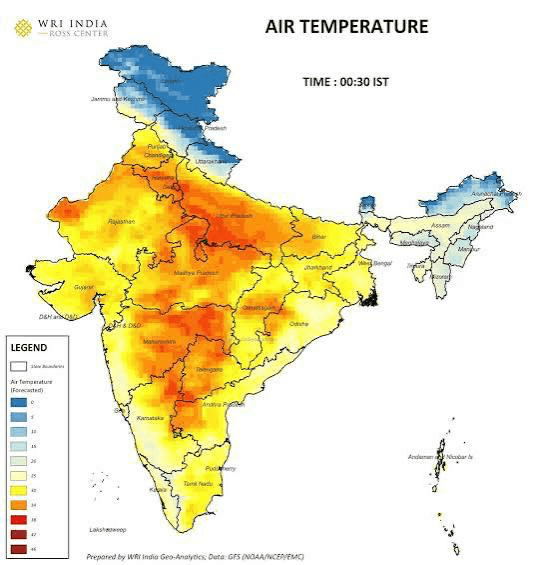
The Centre for Science and Environment reported that India experienced extreme weather events on nearly every day in the first nine months of 2025, highlighting a pattern of persistent climatic stress (CSE, 2025).
Heatwaves were identified as among the deadliest climate disasters of the year, disproportionately affecting exposed populations (Down To Earth, 2025).
For skin, repeated environmental extremes translate to chronic exposure without sufficient recovery windows.
6. What Chronic Environmental Stress Does to Skin Biology
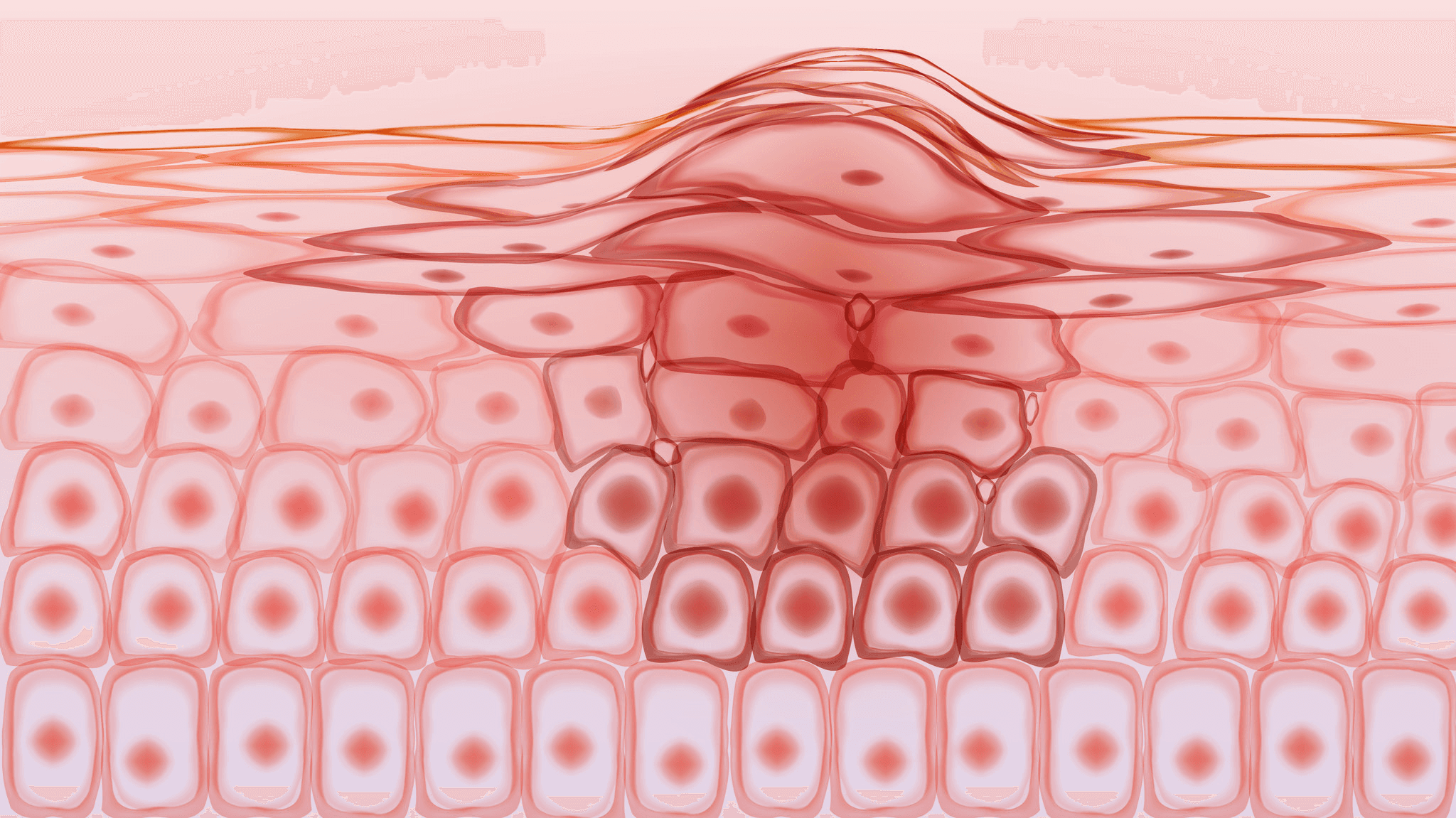
When skin is exposed daily to:
• Heat
• UV radiation
• Pollution
• Dust
• Humidity
• Sweat
It shifts into a protective defensive state.
Barrier lipids decline. Inflammatory mediators increase. Sensitivity rises. Pigmentation deepens. Ageing accelerates.
This is not a cosmetic inconvenience.
It is physiological stress.
Conclusion
Indian skin is not weak.
It is overstimulated.
Living in a high-temperature, high-pollution, high-UV environment means the skin is continuously defending itself against environmental aggressors.
Understanding this environmental context is critical. Skincare in India cannot mirror routines built for milder climates. It must acknowledge heat, particulate exposure, humidity cycles and year-round UV intensity.
Climate is not the background. It is a primary factor in skin health.
References
Centre for Science and Environment (CSE) (2025) India experienced extreme weather events on 99 per cent of the days in 2025. Available at: https://www.cseindia.org (Accessed 2025).
Down To Earth (2025). Heatwaves were the deadliest climate disasters in 2025. Available at: https://www.downtoearth.org.in (Accessed 2025).
IQAir (2025) World Air Quality Report 2024: India data. Available at: https://www.iqair.com (Accessed 2025).
IPE Global (2025) Heatwave days to double in six Indian cities by 2030. Available at: https://www.ipeglobal.com (Accessed 2025).
Vierkötter, A. and Krutmann, J. (2020) ‘Environmental influences on skin ageing and skin cancer’, National Center for Biotechnology Information. Available at: https://pmc.ncbi.nlm.nih.gov/articles/PMC7838324/ (Accessed 2025).
Wikipedia (2025a) 2024 Indian heat wave. Available at: https://en.wikipedia.org/wiki/2024_Indian_heat_wave (Accessed 2025).
World Health Organization (WHO) (2025) Air pollution: India overview. Available at: https://www.who.int/india/health-topics/air-pollution (Accessed 2025).